

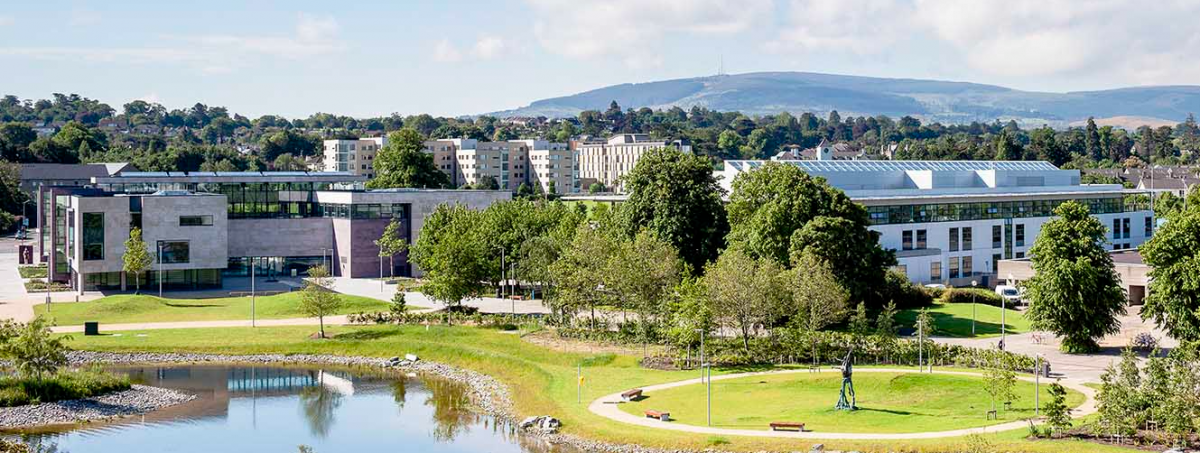
University College Dublin has launched Space Strategy to 2030, a plan to position Ireland as an international leader in space research, innovation and higher education, as reported by University College Dublin, targeting a global space economy projected to exceed €850bn over the next decade.
Among the strategy's key objectives are securing €30m in funding for a national Space Research, Development and Innovation Centre and establishing two internationally recognised space education and skills development programmes within four years.
The strategy is built around four action areas: advancing interdisciplinary research and strategic partnerships across astrophysics, engineering, computer science and life sciences; developing cutting-edge infrastructure including spacecraft testing and assembly facilities; expanding education and skills programmes; and strengthening policy leadership in Irish and European space activities.
High-growth areas highlighted in the strategy include optical communications, autonomous smart satellites, AI-enabled Earth observation technologies, advanced materials and space life sciences.
Professor Kate Robson Brown, UCD Vice-President for Research, Innovation and Impact, said the strategy reflects an ambitious vision for Ireland's role in the sector. "Space is more than a research theme, it is a dynamic arena where we address the great scientific, industrial and societal questions of our time," she said. "There are great opportunities in space for a small nation to achieve big things."
Professor Lorraine Hanlon, Professor of Astronomy and Director of UCD Centre for Space Research, said the strategy builds on established foundations. "The strategy we're launching today builds on our significant heritage in space-related research, innovation and education, and offers a blueprint for the development of many new and exciting activities across multiple domains," she said.
View the full details of UCD's Space Strategy to 2030 in the original announcement.






.png)

